

Job costing is a process that helps you determine the costs of working on a project. Apart from giving you insight into where your money is going, receipts also serve as proof of your business expenses in case you ever get audited. This can make it difficult to track revenue and costs on a single project, let alone many. By analyzing past financial trends, bookkeeping identifies potential risks that could impact projects. Recording transactions in real-time prevents mistakes and financial mismanagement. Effective bookkeeping systems alert managers when spending exceeds budgets, helping prevent overruns.
- Distinctive characteristics define construction accounting, making it stand apart from general accounting practices.
- With organized bookkeeping, construction companies can make informed decisions about future projects, investments, and resource allocation.
- Any modifications to project scope or additional work should be recorded promptly to ensure accurate billing and cost recovery.
- That way, you can track what you’re spending on each job and keep an eye on your profit margins.
- Revenue recognition is how a business determines when they’ve officially earned revenue from a contract or project.
- Bookkeeping for construction business allows contractors to monitor cash flow and prevent project delays caused by financial shortfalls.
Construction Bookkeeping Services That Building Financial Foundations

This kind of setup protects your records from hardware failures, theft, accidental deletion, and even natural disasters. It also gives you peace of mind knowing that if something goes wrong, you’re not starting from scratch. Fortunately, there’s the backup rule, which the National Institute of Standards and Technology (NIST) recommends as an effective method for data protection and recovery.
Simplifying Reporting
Shoeboxed stores receipts in an IRS-accepted format, simplifying tax preparation and ensuring compliance. This is particularly important for construction companies, which must track deductible expenses accurately to minimize tax liabilities. Shoeboxed generates detailed expense reports that can be customized to meet the specific needs of construction projects. These reports provide insights into spending patterns, aiding in budget management and financial planning.
Avoiding Payment Bottlenecks
- At the conclusion of this guide, you will be prepared to manage the financial issues that construction companies experience.
- Construction bookkeeping is unique and complex, requiring specific approaches to accurately track costs, handle fluctuating budgets, and manage long project timelines.
- You provide a phenomenal product or service, work with your clients to ensure they’re satisfied, and get paid when all i…
- In this method, the company and client agree to a set price to be paid for the entire project based on the company’s estimate.
- Whether you are experienced in the construction industry or starting out for the first time, this guide has something for you.
- Experts stay updated with tax laws and reporting standards, reducing the risk of legal issues.
Tracking these costs separately helps bookkeepers identify discrepancies early and maintain control over the budget. This categorization also provides better visibility into spending patterns. With the installment method, you only record revenue once you’ve received payment from the client. This means that you recognize income in the accounting period when it’s collected, and not at the time of sale.
- For example, a contractor building a warehouse may invoice after foundation completion, framing, and interior work.
- It’s not uncommon for circumstances beyond your control to impact the price of materials, equipment, and labor costs.
- The money that a client holds until the project has been completed satisfactorily is generally put into an asset account called a Accounts Receivable Retainage or Retainage Dues account.
- Standardize processes, automate data entry, train local teams, and use centralized reporting for easy monitoring.
- Effective bookkeeping systems alert managers when spending exceeds budgets, helping prevent overruns.
- A construction bookkeeper plays a vital role in managing financial data for construction projects.
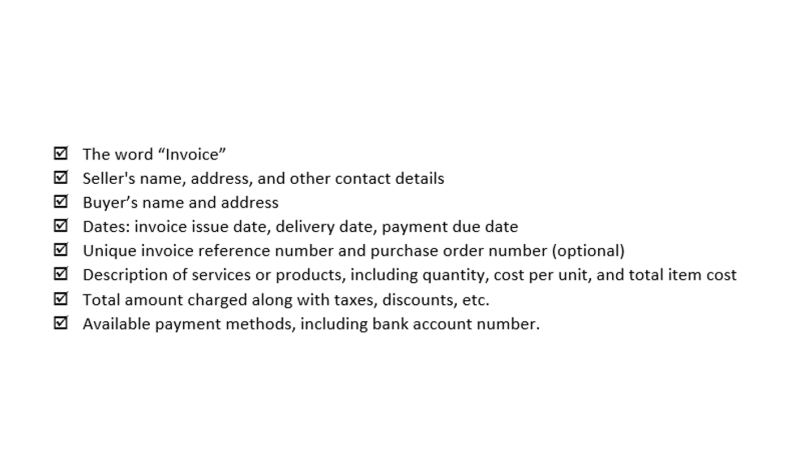
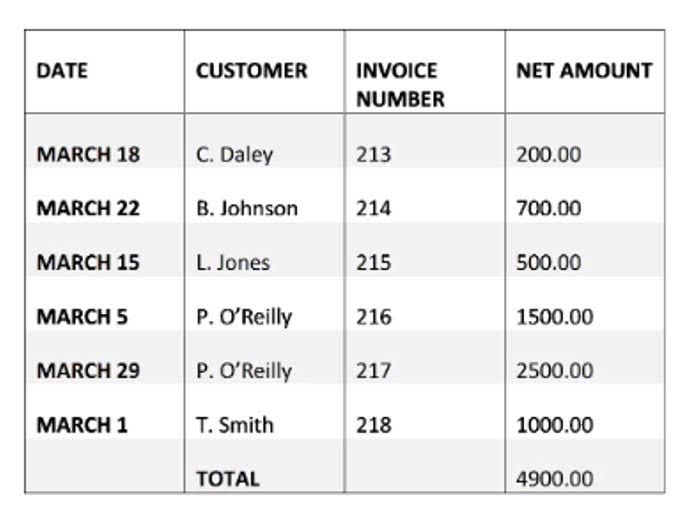
Bookkeeping for a construction company organizes all project-related financial data, making it easier to manage multiple projects simultaneously. Proper bookkeeping ensures invoices are sent on time, and payments from clients are tracked. Internal controls are procedures and policies that construction companies put in place to ensure the accuracy and integrity of their financial records.
How is Construction Bookkeeping Different?
This means construction bookkeeping must accommodate fluctuating material costs, varying labor rates, and the unique challenges of managing subcontractors. In this in-depth guide, we will explore the key aspects of bookkeeping for construction companies. We will cover everything from setting up a bookkeeping system to managing expenses and revenues, tracking job costs, and complying with industry-specific regulations. The best way to stay organized is by tracking your day-to-day transactions, reconciling your accounts on a regular basis, and using construction accounting software. If you’re looking for an https://www.bookstime.com/ outstanding tool to help you with construction accounting and administration, FreshBooks accounting software can help. It streamlines countless essential processes, including job costing, payroll, and billing, to ensure effective financial management and compliance.
Construction accounting is a specialized form of bookkeeping tailored to manage the financial aspects of construction companies, with a focus on individual project evaluation. It involves sophisticated methods, systems, and comprehensive reports to accurately gauge a company’s financial well-being. The primary objectives are to safeguard project budgets, track costs and revenue, reduce expenses, and ensure efficient project management. Construction bookkeeping services involve accurately recording all financial transactions, including invoices, https://www.expertconsultantsgroup.com/outsourced-accounting-services/ payroll, materials, and subcontractor payments. Construction company bookkeeping involves keeping accurate records of all financial transactions, including expenses, revenue, payroll, and project costs.
Tip 2: Use job costing to manage project costs and general business ledgers

While retainage helps reduce risk for clients, it can make managing cash flow and bookkeeping harder since some of your money isn’t available right away. If you record that money as income too early, you could end up thinking you have more cash than you really do. That’s why most construction bookkeepers record retainage as a separate receivable, not as income, until it’s actually billed and collectible. It represents money you’ve earned but can’t recognize as revenue or access until the client releases the funds. It’s one of the most popular solutions for construction-specific needs like job costing, progress invoicing, contractor payments, and profitability tracking by project.
Equipment Utilization Rate
Another important aspect of expense management is ensuring that all expenses are properly documented and accounted for. This can include keeping receipts and invoices, as well as maintaining detailed records of all transactions. By keeping accurate records and using the right tools, construction companies can effectively manage their expenses and maintain a healthy bottom line. A well-designed chart of accounts can help construction companies track expenses and revenue more accurately, which is essential for effective job costing. Construction companies benefit from modern accounting software bookkeeper for construction company and cloud-based solutions.